
Buyer guide Egy Berries Team · 7 October 2026
EU Border Checks on Frozen Strawberries and Peppers from Egypt: What Importers Need to Know in 2026
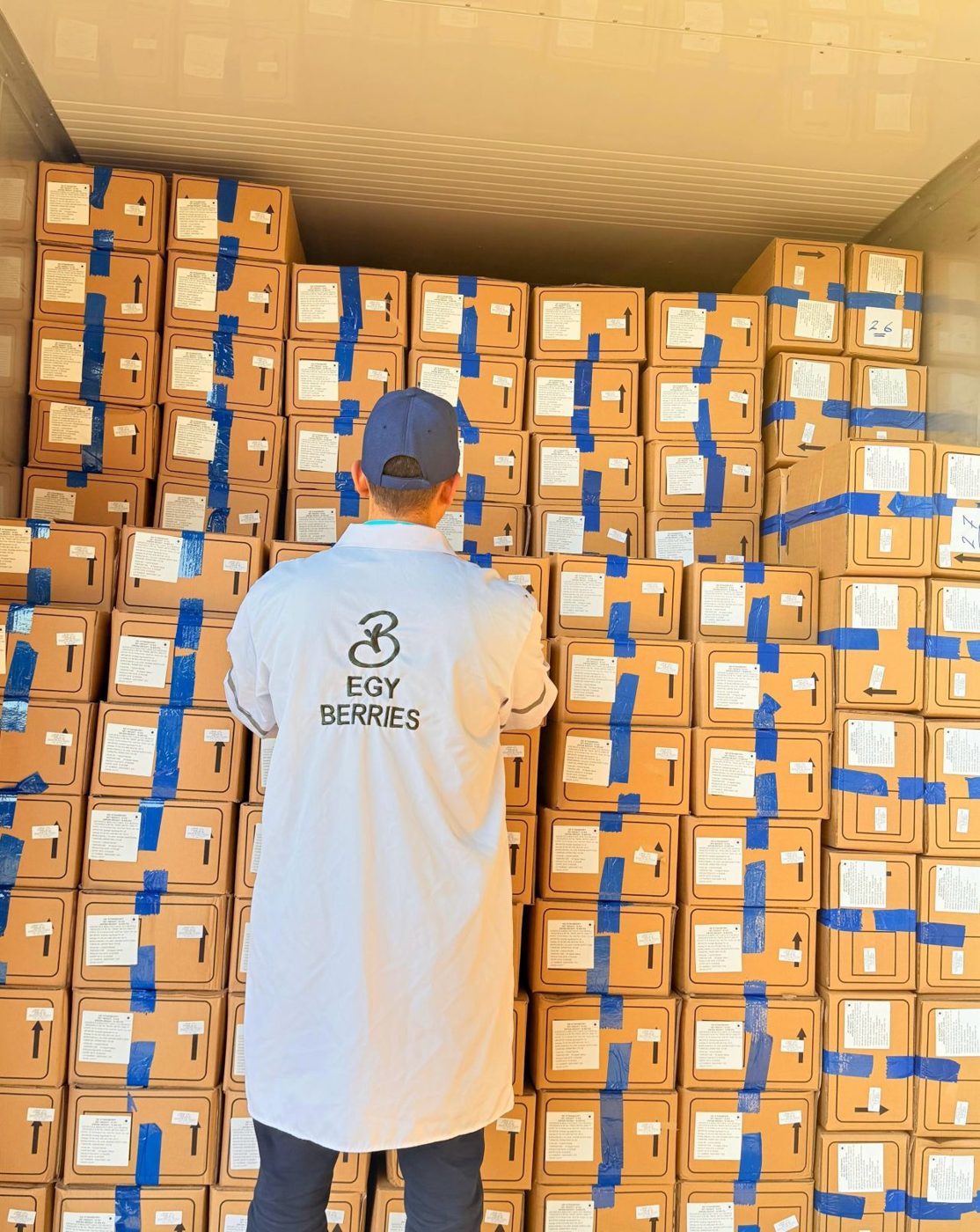
If you import frozen strawberries or peppers from Egypt into the European Union, your containers now face more checks at the border than before. That means extra days, extra costs and, if a lab finds a problem, a rejected shipment. This guide explains what changed, which products are affected and what you can do to make sure your containers clear without surprises.
What changed in 2026?
Commission Implementing Regulation (EU) 2026/194 of 28 January 2026 updated Regulation (EU) 2019/1793, the EU list of foods of non-animal origin that face increased checks or special conditions when they enter the Union. The update added strawberries from Egypt, fresh, chilled or frozen, because of repeated findings of pesticide residues above EU limits, including residues of substances that are not approved in the EU. The new frequencies apply from 18 February 2026.
The Egyptian entries that matter most for frozen fruit and vegetable buyers are:
| Product from Egypt | CN code | Hazard | Share of consignments checked |
|---|---|---|---|
| Strawberries (fresh, chilled or frozen) | 0810 10 00, 0811 10 | Pesticide residues | 20% |
| Sweet peppers (fresh, chilled or frozen) | 0709 60 10, 0710 80 51 | Pesticide residues | 30% |
| Other peppers of the genus Capsicum, such as chili (fresh, chilled or frozen) | ex 0709 60 99, ex 0710 80 59 | Pesticide residues | 30% |
| Mango (fresh) | ex 0804 50 00 | Pesticide residues | 20% |
Frozen mango (CN 0811 90) and frozen vegetables such as broccoli, okra, molokhia, artichoke and green beans were not among the Egyptian entries in the January 2026 regulation. The list changes, so check the latest version before each season.
What happens to your container at the border?
- Pre-notification. The importer or customs agent pre-notifies every consignment in the EU TRACES system with a Common Health Entry Document (CHED-D) before it arrives.
- Documentary checks are carried out on every consignment at the Border Control Post (BCP).
- Identity and physical checks are carried out on the selected share of consignments (20% for strawberries). Officials take samples for multi-residue analysis.
- Waiting for results. A sampled consignment can be held until the laboratory result is known, so you pay for frozen storage at −18 °C in the meantime. Fees for the official checks are charged to the importer.
- If a sample fails, the lot can be rejected, sent back or destroyed, and a RASFF alert is published. More alerts make it more likely that checks stay high for the whole origin.
Products in Annex I do not need an extra official certificate or a pre-export laboratory report from Egypt. That stricter regime applies only to Annex II products, such as Egyptian groundnuts for aflatoxins.
Why it matters for your business
- Lead time. Build a few extra days into your delivery plans for consignments that are sampled.
- Cost. Sampling fees and extra cold-store days add to your landed cost. Compare suppliers on landed cost and risk, not only on price per tonne.
- Availability. The scarce product is not strawberries but compliant strawberries. Buyers who contract early with traceable suppliers are served first. Read more in "The market is not short of strawberries, but of compliant supply".
Checklist: how to clear Egyptian frozen strawberries without surprises
- Know the farm. Ask for traceability from the carton code back to the farm, field and harvest date.
- Ask for a residue analysis of the actual lot from a laboratory accredited to ISO/IEC 17025, using a broad multi-residue screen, and check it against EU maximum residue levels (Regulation (EC) No 396/2005).
- Watch the non-approved substances. For pesticides not approved in the EU, the limit is set at or close to the limit of quantification, so even a trace can fail. Ask how your supplier controls spraying on the farm, not only how it tests at the end.
- Check certificates at both levels: GLOBALG.A.P. for the farms and a GFSI-recognised scheme such as FSSC 22000 for the freezing plant.
- Keep documents consistent. Product description, CN code, lot numbers and weights must match on the invoice, packing list, carton labels and CHED-D.
- Plan the cold chain at the border with your agent: storage at −18 °C or colder while samples are analysed.
- Follow the list. Check the consolidated Regulation (EU) 2019/1793 on EUR-Lex before each season, and agree with your supplier who updates you when it changes.
How Egy Berries approaches it
We grow strawberries on our own GLOBALG.A.P. certified farms in Egypt and freeze them in our FSSC 22000 certified plant in Sadat City, so we control the crop from planting to the container. Before each order we agree residue testing, documents and loading checks with the buyer, so the shipment is prepared for EU border controls. If you are planning your next season, see our IQF frozen strawberries, our frozen peppers or the buyer guide with the Egyptian harvest calendar.
Frequently asked questions
Do frozen strawberries from Egypt need a special export certificate for the EU?
No. The Egyptian strawberry entry is in Annex I of Regulation (EU) 2019/1793, which means more checks at the EU border but no extra official certificate or pre-export laboratory report from Egypt. Each consignment is pre-notified with a CHED-D, and a share of them is physically checked and sampled.
What share of shipments is checked?
20% of strawberry consignments (fresh, chilled or frozen) and 30% of sweet pepper and chili pepper consignments from Egypt, for pesticide residues, from 18 February 2026.
Does this apply to frozen mango from Egypt?
The Egyptian mango entry covers fresh mango (CN 0804 50). Frozen mango is classified under CN 0811 90 and was not part of that entry in the January 2026 regulation. Always check the current list before you ship.
How long will the increased checks last?
The EU reviews the list regularly, normally every six months. Frequencies can go down when results are good, or up when border checks keep finding problems, so the outcome depends on the whole Egyptian sector.
Need a reliable supplier of frozen fruits and vegetables from Egypt?
Egy Berries grows, freezes and exports IQF strawberries, mango, pomegranate and vegetables from Egypt, certified to FSSC 22000, ISO 22000, ISO 9001, HACCP and GLOBALG.A.P., and registered with US FDA and China GACC.
Request an offer on WhatsAppSee all productsInformation as of October 2026. This guide is general information for buyers, not legal advice; always check the current rules of your destination market.